Sunday, 17 November 2013

Different Styles and Conventions of Music Videos

What is a convention?
A convention is something commonly used or shown in music videos that associate them to the genre that they are in. These apply to both genres and styles. Some examples are listed below.


Concert

This music video is a concert and has been filmed as it was performed live.
Usually, in the music videos that are mainly concerts, the conventions are commonly a large audience with the artist on the stage in clear view and many of the crowd are very active, for example jumping up and down, screaming, crying etc, however this isn't shown in some concert video's such as the Foo Fighters video for Arlandria filmed in concert as the video is focused purely on them. However it is shown in Passenger's 'Let Her Go.' For example at 0:57 there is a shot of the audience watching the performance, looking at peace with themselves since the song is quite peaceful. This is an example that I could use in my video, as if there was a shot of the artist performing and then there is a reaction shot of the audience watching this could be quite effective.
The difference between a concert and as-live is that as-live is staged, the people watching are just extra's, for example 'Juliet' by Lawson in which they appear to be singing to an audience of people in a small vintage-themed bar/club when actually their whole video is staged, (as shown in 0:55)
The difference between a concert and a performance is that a performance music video is not played to any audience, it is usually just the artist performing whilst looking into the camera, for example 'Counting Stars' by One Republic where they are playing in a basement to no one at all apart from the camera (as shown from 0:51 - 0:53).
The institution may use this style (concert) purely to let the audience get a taste on what live concerts would actually be like if they were to experience one first hand. In the long run it is to make money. If the audience watch the video they would be more likely to want to purchase ticket to actually go to one of their concerts themselves, therefore overall making a lot more money. 
For my own personal music video, it would practically be impossible to use an in-concert style since I would have to then find a venue and enough people to then create more of a realistic style. However I would be able to use an as-live or performance style as it is easier to manage.


Narrative

Katy Perry - Part Of Me
This is a music video depicting the life of a young woman joining the army and undergoing a dramatic change (shown at 1:28) after finding out that her partner was unfaithful (shown at 0:08), which includes cutting her hair to that of a short length and hardening herself from most of her emotions (3:54)
This style is very effective since whilst watching the story and hearing the song, the audience are able to really connect to the video through both the lyrics of the song and the image on the screen, for example at 2:56 where she says 'and you can keep the diamond ring, it don't mean nothing anyway, in fact you can keep everything except for me' where she is burning a letter that her ex partner sent her, showing her strength and determination. I could use a scene like this in my own music video, a metaphorical scene as supposed to a straight to the point narrative. 
Some artists use different people to narrate a story, which is a good effect since it shows that the artist doesn't necessarily focus on purely themselves.
An example of this would be Ed Sheeran - Give Me Love.
However some artists prefer to use themselves in each narrative video they have, such as the video shown above. 
The institution would use this style to allow an emotional connection through the audience and the fans toward the music video. Having a narrative may also, if the song isn't particularly good, distract the audience from the actual content of the song. Also, if the artist is used to do the lead role it puts a lot of attention on them.  I could use this in my music video which would be quite effective, since putting a story across can add to the effect. It would be very practical to use without much of an issue. 


Animation
Gorrilaz - Feel Good inc.
Animation is used for many different reasons, including to distract the audience from the artist's real image, such as the Gorrilaz who commonly used cartoons in their music videos and never their actual faces. This became their common convention since now, people expect to see a cartoon when watching a Gorrilaz music video.
The institution would use this if the artists weren't particularly attractive and allow the artist to become known for their particular styles. However a problem with this was that when the Gorrilaz were playing live, obviously they would either have to project the cartoons on the screens behind them and darken themselves off the stage or perform as their real selves, which perhaps wouldn't have had the same effect on the audience as the music video would.
It would be quite effective to use this in my music video, for example when it is half animation and there are some scenes with real people and real life footage, (3:51  & 3:53) however it would take a  lot of time, effort and pre planning. I would prefer to use something that may not take as long to make, because if something were to go wrong in the animation stage whilst making the video and I have no backup footage, it would be a whole waste of time. 


Intertextuality as pastiche
Iggy Azalea - Change Your Life
Intertextuality is loosely basing a music video on a film or a program. For example, Iggy Azalea's newest music video is based on the film 'Showgirls', in which she appears to work as a showgirl and then falls in love with a rich man that comes to the club she is dancing at. They fall in love and he appears to take advantage of her, therefore leading Iggy's character to set his car and his money on fire and then getting arrested for it. The institution would use this to connect the video with something well known to increase popularity for fans of both the artist and for the films that they are basing it on. However a disadvantage to this would to be that if the representation of the film in the music video isn't particularly good, people may get insulted by it, especially if it's quite a classic film or is rather old. Therefore the institution would have to be very careful with how they portray the video.
For my own music video, I may use this style since it appears to be very effective, scenes such as the last one (3:24) however I must make sure that I do it properly since otherwise it may come across rushed, cheap budgeted and rather tacky.

Intertextuality as parody
DJ Fresh - Earthquake
The idea of a parody is to create humour from something that wasn't supposed to be particularly funny. This can be done through linking the music video to another well known song or perhaps a film.
This is shown in DJ Fresh's music video for 'Earthquake' in which there seem to be a team of elite superhero's who don't look elite at all as the walk through the town which appears to be slowly destroying itself. This is a parody of any superhero films, particularly 'The Avengers.'
Many people enjoyed the music video and found it humorous and also enjoyed the song in itself, therefore the institution did a good job of using this particular style.
However a few die-hard superhero fans found the video degrading and offensive therefore was not drawn into watching it again, which the institution should also take into account.
For my own music video, this style may come in handy as it is clearly exciting to watch, especially unexpected scenes such as 2:32 therefore my music video could have a whole new depth to it.

Impressionist
Lorde - Tennis Courts
Impressionist are when the music video uses imagery that matches the mood and the paste of the song but not necessarily the lyrics. The institution would use this to let the audience to get a true feel on what the song is about, to allow them to connect with the lyrics in their own way.
A good example of this is in Lorde's music video for 'Tennis Courts', in which she is purely standing in a darkened room and staring down the camera. Ordinarily without the song playing over the video, the music video in itself may be a little unnerving and creepy to watch. (0:47) However, since the lyrics and the instrumental of the song is quite slow paced and dreary in itself, it fits the music video perfectly. The audience when this video was released, were originally a little skeptical about it, calling it 'lazy' and 'unnecessary', however once they actually listen to the lyrics and the beat of the song and watched the video at the same time they began to appreciate it more.
For my own music video this can be used depending on the song used, however it is essential to use the right imagery to match the pace of the song, otherwise the music video may become messy and confusing.

Surrealism/Abstract
Surrealism/Abstract are works that feature the element of surprise, unexpected juxtapositions. The point of using this is to make the music video more exciting to watch, especially as recently, many music videos are starting to become more or less the same thing, therefore all being very repetitive of themselves.
An example of this would be a Lady Gaga music video, since in nearly all of them she is more or less doing unexpected surprises which always make her videos more exciting to watch. In her newest music video for 'Applause', she has taken a few famous pieces of art (0:17, 0:45, 1:01, 1:31) and turned them into her own style, which was surreal in areas of the video like when it was her head on top of a swan's body in a large egg. Even though this was strange and odd, the video was still very hard to stop watching as the audience would naturally wonder what her next scene in the video was going to be, therefore making the music video increasingly popular. This is good for the artist as they are able to get their creativity out to the world throughout nearly any way they want to through surrealism. Therefore now, Lady Gaga is known as someone who will always have an element of surrealism in her music video, giving her a permanent re-occuring title to many different people, whether they particularly like her music or not.
For my own music video it may not be able to be that easy to use, since for a video to be surreal and look professional, usually a lot of money is used of which I do not have.

Friday, 15 November 2013

Good & Bad Music Video Techniques


Large number of cuts


The purpose of having a large number of cuts is to help keep the video flowing in a pace that fits the mood of the song. It keeps the viewer entertained, so that they wouldn't have to constantly look at just one image for the whole 3-4 minutes of the video. 


The amount of cuts in 'Talk Dirty' by Jason Derulo (shown left) is incredibly large. In the first 10 seconds of the video there are already at least 20 cuts, meaning two cuts each second. The cuts happen very quickly and they already draw the viewer into the video. Therefore the technique has been incredibly successful, due to the constant cuts flickering in the first ten seconds of the video.
This is shown from 0:02 - 0:08
As the viewer, it was enjoyable to view, however it was also a little straining to watch since the colours were so bright. The producers of the video should have taken this into account for those that may not be able to handle such harsh lights flickering at once, however altogether it was rather entertaining to watch. Since the song is about going around the world and picking up different girls who speak in different languages, the flickering of a various amount of flags in the beginning of the video already sets the tone and successfully matches the lyrics. Throughout the video, there are also many cuts of Jason Derulo dancing ordinarily with an orange background, then the cuts change to him and his dancers as black silhouettes, which adds to the effect really well and creates a much cooler tone to the music video than it would with just the artist dancing on his own.
However, the new artist Lorde had used the same technique and yet hers did not work as effectively as Jason Derulo's. For her music video, 'Royals', Lorde had only used 67 cuts throughout. This meant that most of the shots that she used were prolonged and unnecessary, creating the sense of boredom to the viewer. Whereas in 'Talk Dirty', 20 cuts were used in 10 seconds, in 'Royals' only 3 were used. (from 0:00 - 0:10) The lack of cuts already slowed the pace of the video down. Even though in some aspects this was a good thing since it matched the pace of the song, the music video suddenly became very boring to watch therefore many people stated that they wouldn't watch it again. 

Special effects

Special effects are used to create a deeper meaning toward the video, creating exciting and unusual images that couldn't ordinarily be created with plainly just filming the video.

Michael and Janet Jackson's music video for their song 'Scream', is one of the most famous iconic music video's that use special effects to this date, even though the video was released in 1995 and since then technology has improved. The song in itself is about the paparazzi and the media constantly telling lies and bothering them each and every day, therefore they were placed in what appeared to be a mental institution where things were smashing and breaking, obviously reflecting their frustrated mood.
The special effects added to the music video, since scenes like Michael dancing on the ceiling (shown at 1:15-1:16) and Janet climbing onto the walls (shown at 1:42) added to the supernatural and unexpected element of the music video in itself. This is helpful for the artist as special effects can help them to get a particular strong point of the music video across. Special effects in the context of the artists could symbolize that perhaps they are 'out of the ordinary' compared to any other artists, therefore giving them a much more creative image.
The song 'I Want It That Way' by the Backstreet boys also used special effects in their music video, however this didn't work in any way as well as 'Scream' even though it was released in 1998, three years after Michael Jackson's. The reason for this could purely be that the budget for this video was much lower. Not only do the special effects have absolutely nothing to do with the lyrical content of the song, but they look incredibly cheap. The aim of special effects are to create something out of the ordinary to make the music video to become more entertaining however the image of the band members fading in and out from an airport to outside a plane on a runway to a crowd of screaming girls does not have that effect. The effects in themselves are a little jumpy since in some points of the video, since the effects haven't been done properly, some band members start looking see-through and then another member that also looks transparent appears in their place, shown briefly at 1:01.
This may be the whole point of the video but the special effects do not fit into place particularly well. In the time and era that this was released in, special effects were still quite new and exciting therefore the audience that would have viewed this video would have been appreciated for the effort made. However comparing it to a video a little more recent allows the generation of today to see that actually, they weren't that amazing. The artist, in this video, is represented as cheesy and rather cliche, not presented anything particularly interesting or different from any other average boy band. 


Cutting to the beat


Cutting to the beat allows the music video to keep up with the pace of the song, giving a clean and polished look as an effect.
Conor Maynard's 'R U Crazy' is a perfect example of a music video cutting to the beat. The song altogether has quite a specific beat to go with it and the tone of the song is quite angry and frustrated. Therefore there are plenty of moments of the music video when the scenes are cut and flickered in between, which are cut specifically to the beat. The best example of this is at 3:54 - 3:56 where the cuts are specifically cut to the beat at a fast pace, giving a polished effect to the audience.
This keeps the video in the correct, constant pace, therefore making it a lot more realistic and enjoyable for the viewer to watch, since if the video did not cut to the beat, the pace and the tone of the video would have been lost and then would not have made as much sense. The artist is therefore represented as one who is truly believing in what he is singing about and one that is trying to let the viewer understand the pain that he is also going through.  
However, in some cases not cutting to the beat actually creates a mood to fit the actual video itself. For example, dance duo AlunaGeorge had not specifically cut to the beat in their new single 'Best Be Believing.' The video is set in a psychiatric asylum due to the people that are trapped in there, being forced against their will not to dance anymore. The mood is meant to be rather uncomfortable and stiff, therefore not cutting to the beat works surprisingly well. For example at 1:22, there is a woman being brain washed and she is dancing in a very odd manner, however this cut was not at all to the beat in fact the cut was quite random, and this then repeats itself at 1:23 and as there is no specific cut to the beat, it does in fact make the video appear to be quite uncomfortable.

Varied camera language

Camera language is important in a music video since without varied camera language, the music video just becomes boring and tiresome to watch. Varied camera language is used well in Little Mix's music video for their new single 'Move'. Even though there are technically only three settings for the video, the camera language allows the video to still be entertaining.
Angles such as high angles (shown at 0:18) and low angles (shown briefly at 1:28), shots such as mid-shots (shown at 1:53) and close-ups (shown at 1:54) are used to the effect and make the video a lot more enjoyable to view, especially since the song is quite fast-paced. Therefore this technique has indeed been successful. The artists are represented as fun girls who enjoy anything different, since a range of different camera angles are used, showing their diversity.  
An example of where varied camera language wasn't used as well would be Lorde's music video for her song 'Tennis Courts', in which she is plainly standing in front of a black background dressed as a pale clown staring into the camera, mouthing the word 'yeah' a few times (0:51, 0:53, 1:03, 1:56, 1:57, 2:07, 2:13, 2:23. 2:29, 2:46, 2:56-3:22) but nothing more and nothing less. There are no cuts whatsoever and throughout the whole video, the camera doesn't ever leave her face and she hardly ever breaks eye-contact with the camera which makes the viewer feel uncomfortable (for example from 0:00 - 0:07). However, even though there isn't a range of camera angles, this still matches the mood of the song so in some ways, Lorde was still successful. Many people found this video uncomfortable to look at and therefore didn't watch it that much, yet the hype built up around it encouraged other people to watch it to see what everyone was talking about, therefore giving the video nearly 16 million views in a few months which is a generous amount for an undiscovered artist. Because of this video, Lorde has created an image of herself as a 'strange' and 'creepy' artist and even though most of the publicity she is receiving is not particularly positive, she has still gained many fans from being the way unique that she is.

Green screen
Green screens are used to create the image that the artist or the main character in the music video are in an area that they are not, or that they are doing something that obviously they cannot actually film, or at least not with much ease. A good example of a green screen being used is Beyonce's video for 'Sweet Dreams', in which she appears to be dancing on the moon or on a planet that is certainly not earth, (shown at 0:47). The green screen looks incredibly realistic and many people were not even aware that it was a green screen until they watched the making of the video. Therefore, the use of the green screen is successful. In addition to this, the content of the song is about dreaming, therefore making the impossible possible. The use of the green screen in this video allows this the viewer to use their imagination, therefore connecting the song and the video together and making it exciting to watch. Beyonce here is represented as something that perhaps is superhuman, since she appears to be dancing on a world that no one has seen before. The creativity that she has is also highlighted.

However, in some cases green screen doesn't work as well. For example in Aqua's 'Barbie Girl', the scenes that green screens were used in were blatantly fake-looking and made the whole video look like a joke, even though it wasn't technically supposed to be. Around the edges of the people in the car as they are driving in front of a green screen, they are blurred since it is likely that no shadows were used, (shown at 1:19). Therefore, those who watched the video were not impressed, even ignoring the song in itself and soon the video became a joke. Once again, since this video was released in 1997, the viewers probably would have accepted the green screen with it's faults and all since there were not many video's that it could be compared to and therefore criticized. However the artists are now represented and those who made the 'joke' video and this is mostly due to the lack of shadows in the green screen. Even though shadows wouldn't particularly make the video any better, they would definitely improve it.


Lip-syncing
Lip syncing is used plainly in music videos to give the impression that the artist is singing the song as the video was being recorded when really, they were lip-syncing over their studio-recorded track. When done well, lip syncing can be very effective. Such as Miley Cyrus' 'Wrecking Ball' video, in which for 70% of the song she is staring into the camera as a close up and she lip-syncs most of her song (shown for example from 0:12 - 0:24). Also, when lip-syncing, expressions on the face are also important since even if the artist is lip-syncing well, if their expression doesn't match the emotions in which they're 'singing', their performance can quickly turn very bland and boring. (Miley does this well from 2:02 - 2:11) Because the lip-syncing is done so well and the tears are streaming down her face whilst she 'sings', the meaning of the song really connects to the viewer which is why so many people were moved by her music video. In fact, many people prefer the director's cut of 'Wrecking Ball' which is just solely of her as a close up and lip-syncing to the whole song, which once again looks realistic and adds to the effect.Therefore in this music video, Miley is presented vulnerable and extremely honest.
However, when lip-syncing is not done well, it completely ruins the whole video. An example of this is New Kids On The Block and 'Step by Step', which is a video that consists of them both dancing and then singing into microphones. However, their lip-syncing does not match the track being played, which doesn't give a good impression of the artists themselves (shown at 0:35 - 0:37). Their syncing either lasts too long (shown at 1:10 - 1:12) or they finish their line before the line actually ends, (shown from 1:20 - 1:22) which gives the video a very lazy look and if the dancing wasn't there to distract the viewer from their poor lip-syncing, the video would've been branded 'awful'. However since the dancing is there, many viewers enjoyed the music video when it was released in 1990.

Monday, 4 November 2013

THE PURPOSE OF MUSIC VIDEOS

TO PROMOTE NEW MUSIC RELEASE

If a music video is released and the audience like it, it can raise awareness of the new album/single’s release, which could then raise the music sales. In fact, if the music video is hyped up and promoted enough, the complete release of the music video may become an event in itself, therefore leaving many people interested in it. Also, for the less well known artists that perhaps do not get as much publicity, the internet can raise awareness toward them, especially in areas that are not as well known. 
This can be done through social networking and YouTube, which also gives easy accessibility toward the music video. An example of this is the countdown that one of the most famous artists in the world, Britney Spears, had a countdown clock on her website to her new video 'All Eyes On Me', which automatically increased the audience that wanted to watch the video. She had a whole website dedicated to it which showed the days, hours, minutes and seconds until it was released.
This is good for the artist since the amount of popularity that the video will receive as soon as it is released would be incredibly high, due to the large demand from the fans and the audience who have been counting down to this date for just as long, following with the website countdown, tweets, etc. 
Also, when the music video is released, the song is released a short while after which people are now able to pre-order if they like the music video, which is good for the artist and the record label together due to the increase of sales when the song is released. This is also good for the audience as the excitement of premiering a new video and a new single would encourage many fans to increase and promote popularity within friends and family through social media or word of mouth.   


TO CREATE A VISUAL REPRESENTATION OF THE ARTIST
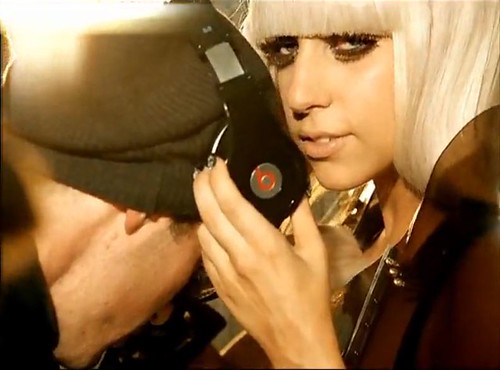
A music video also allows the artist to be seen without actually performing. When an artist performs live, sometimes their visual representation isn't as good as what they may look like through a music video, therefore allowing the audience to perhaps not judge them for their live performances. It also enhances the artist’s brand, such as Dr Dre uses his ‘Beats’ in a couple of his videos which then promotes his brand, and pays artists such as Lady GaGa to use them also. 
It also communicates the values and style of the band, such as what they believe in and what they would like to prove through their videos. Music videos also allow the artist to renovate themselves, which is important especially if the audience do not know that much about them through hearing their songs on the radio.
This is good for the artist and the record label due to the increase of popularity to their products which will then increase the sales as well. Showing the artists beliefs in a video is a positive since they are able to show what their beliefs are, however it can also be very controversial if the audience perhaps do not believe in the same values as the artists do, therefore having a negative impact on everybody else.
An example of this is Nicki Minaj, who is a person that without her image her actual singing talent would have been average, since there there is nothing particularly special about it. When Nicki is able to dress in revealing clothes and different coloured wigs in her videos, she can then almost draw people away from her voice and more to her image, which some people find attractive and others repulsing.  

TO EXTEND THE PLAYABILITY OF & PROVIDE ADDITIONAL INCOME FROM A SONG
Frequent play on music channels after release would make sure that the artist is permanently keep the artist in the public eye, therefore music sales will be steady in the charts. This is good for the artist due to the constant sales of the song. This usually happens through royalty payments from the music channel straight to the artist and to the record label and also an income through the website views, such as YouTube. In addition to this, the music videos then allows the videos for the DVD collection releases, which most of the time are special edition. An example of this is Miley Cyrus’ controversial video for her recent single, ‘Wrecking Ball’. Although the video itself is controversial since the music channels carry on promoting the single, the video will always be in the public eye, people’s opinions do not matter all that matters is that they stay in the public eye and keep their publicity alive.
Also, adverts before videos on YouTube allow promoting, as most of the adverts are very relevant to the video, such as before a One Direction video, a short advert promoting a 'Pop Party' CD would appear, being 30 seconds long and being impossible to skip. It depends on the target audience of the video to judge on what the advert would be. An older video that is likely to have an older audience usually has incorporates adverts for cooking or financial advice and a song that is popular in the charts with the younger generation tends to have adverts from Microsoft or Chrome, technology that they can all relate to. This is good for the company who gain popularity but bad for the artist or YouTube themselves as not having the choice of watching an advert or not becomes irritating, therefore loosing views.  

TO CREATE SYNERGY WITH OTHER MEDIA SECTORS
There are an increase for both institutions simultaneously, this may also allow artists to enter new sectors of the music industry for example producing or even musical theater. An example of this is The X Factor, which allows undiscovered artists with a dream to become famous and to gain the recognition they deserve. When they win, a few years later, they may be able to go into the West End such as Ray Quinn who came second and now plays Danny in the famous musical ‘Grease’.
Another example of this would be Adele's song 'Skyfall' of which she recorded for the most recent James Bond film. When people heard the song, they were more likely to want to watch the film, especially as clips from the film were put into the music video itself. If the audience enjoyed the film they would be likely to want to purchase the DVD, which then reminds them of the song that made them want to buy it in itself. Adele also won a Grammy for the song 'Skyfall', therefore proving how powerful synergy is. 

TO BE ART IN THEIR OWN RIGHT
When an artist uses art to express themselves in their music videos, it allows the artist to be very memorable, through both the music video and the song in itself. The new videos also pioneer the use of technology and then creates enigmas or narratives across multiple videos. An example of this is the Arctic Monkeys video for ‘Do I Wanna Know’ which is plainly of a black background with white sound waves that expand with every note that is sung. This video is not particularly extravagant but the video still shows the artistic qualities of the video in itself and still has a large amount of views on YouTube. This is good for the artist since they are able to get their artistic qualities known. However the audience may have mixed opinions on what they are able to see in each video and want they would prefer to see.

Wednesday, 23 October 2013

Music Video Outlets

There are six main music video outlets. These are: 
- Mainstream TV
- Music Channels
- Direct CD/ Special Edition CD/DVD Releases
- Streaming websites
- Artist's Websites
- Downloads

Mainstream TV
Mainstream TV channels are channels 1-5, on which the most popular programmes are shown and that the majority of households have. The viewing count is usually the highest on these channels: BBC1, BBC2, ITV, Channel 4 and Channel 5, also known as the mainstream channels. Not so much anymore, but definitely a few years ago the most popular music videos would premier and be shown on these mainstream channels. High viewing counts on these channels would mean that the music video would automatically gain more popularity. 
For example, Michael Jackson's 'Thriller' music video was premiered one of these channels (Channel 4), which meant that everyone would be able to view it at some point since these channels were high in popularity. This is obviously good for the artist (especially if they are undiscovered / less well known at the time), the record label and the song since their recognition would significantly increase, however whether people will actually like the content or not is always an option. Videos such as 'Thriller' on channels such as BBC1 or Channel 4 after watershed could also give the chance for the older generation and young adults to view something a little bit more risque that they would not originally be able to see before a certain time. This could also be a disadvantage to showing music videos on mainstream television, as if parents decide to keep their children up past Watershed, not knowing the 'horror' or 'inappropriate' element to the music video's shown, they could then disturb younger viewers who weren't expecting such images on their television screens, therefore leaving the artist negative publicity for 'inappropriate music videos', such as Michael Jackson did after releasing 'Thriller'. Many people thought the video was brilliant and it gained much praise, however many also thought it was offensive, thus meaning Michael had to release a statement of apology to whomever he may had offended and edited a message at the beginning of the video. However, recently, less music videos have been shown on mainstream television, leading to the increase of music videos being shown on music channels.

Music Channels
Music channels have come much more common as they have been produced recently, (MTV first aired in 1981), since Mainstream TV is now more commonly devoted toward the news, soaps, documentaries and drama. Therefore there hasn't been much of a valid reason or much time in an average television schedule to premier a new music video every time a new one comes out, meaning music channels have now become useful. Some example of these are 'MTV Hits', 'The Box', 'Smash Hits!', '4Music', etc. Unlike Mainstream TV, a lot more music videos can be put into one programme, since music is the focal point of these channels. 
For example, instead of the TV schedule being '[new music video], News, [TV drama] and another [new music video]' as it previously was on Mainstream TV, the schedule for Music Channels would be 'UK Top 40', 'This Week's Most Played' and then 'Biggest Songs of the 90's'. This is an advantage because of course, more videos can be shown and having a channel dedicated completely to music would allow the viewer to decide for themselves if they would wanted to watch a soap, or if they would prefer to watch a few music videos, instead of almost having no other alternative, as was previously the case. An example of this is when MTV had a 'Michael Jackson Day', in which they only played videos from the deceased King of Pop shortly after his death. Due to the number of people watching this, a few of Michael Jackson's songs appeared in the charts again, because to a high number of fans watching the music channel and therefore inclined to buy some of the songs they had revisted. This was obviously good for the record label (not so much the artist, as he had died), since recognition on Michael Jackson had been hyped up even more. This just shows how powerful Music Channels can be. 
In addition to this, many people (especially young people) no longer listen to the radio and spend most of their time watching television, therefore will find Music Channels more appealing, thus introducing themselves to new music. A disadvantage to Music Channels, however, could easily be that not all of the video's they show are appropriate to the audience that could be watching, as music channels are not provided with PIN numbers for safety. 
For example Miley Cyrus' 'Wrecking Ball' was shown at around midday when it first premiered. Some music channels issued a warning or disclaimer before showing the video to their audience, however others did not, therefore being extremely inappropriate to those of a younger age who perhaps do not have an adult with them whilst watching. 
This could be negative also for example if some of the audience didn't particularly like the music video, they would have to turn over the channel whenever it came on, therefore decreasing the total number of views that the channel would ordinarily receive, especially if the song wasn't particularly liked by many. In addition to this, the music video and the song itself run a risk of becoming overplayed, therefore giving the audience a sense of boredom whenever it comes on. Also when the song is actually released, if the audience have constantly viewed the music video on a music channel they would be less likely to actually purchase the record, thus not gaining the artist any money

Direct CD / Special Edition CD / DVD Releases
Usually, once an artist releases a single and it enters the charts, the album follows soon after. Of course, releasing the individual single first and then the album after would increase the sales, as those who had previously bought the single could then want to try and listen to the whole album. Having a CD means that all the songs on the track list come in the best quality possible, since they came from the producers themselves as opposed to off YouTube or an illegal MP3 download, where the quality would not be as smooth. 
CD's also happen to be quite expensive, which is good for the artist and their record label due to money but bad for the audience who then buy it. Another issue, particularly before iTunes, was the dilemma of paying for the whole CD but only liking a few of the tracks, therefore a waste of money. However, now, iTunes allows everyone to preview the songs before buying the CD to reduce the chance of the audience not liking most of them after paying and even buying certain songs off the album. Special Edition CD's, such as Leona Lewis' 'Spirit: Deluxe Edition', increase popularity for the artists also. These CD's usually include bonus tracks and sometimes even come with another disk in which holds music video's or behind the scenes footage of the music videos, which allow the audience to have almost a 2 in 1 deal, which is an advantage especially if they enjoy the particular music videos chosen. DVD releases, such as 'Michael Jackson Greatest Hits Vol. I & II' once again bumped up the sales on the individual tracks that were released over 20 years ago due to the high amount of people who bought the DVD's after he had passed away. 
Maintaining sales and chart places even after the artist has died just proves how important DVD releases can be. Having CD's & DVD's of the artist can also be seen as a memorabilia, something to remember the artist by. 

Streaming websites

Streaming websites have become more and more common as technology has advanced. Sites such as YouTube have not only made it easy to access a music video, but has also made it the most popular way of viewing them for the first time. Streaming is free and legal, which gives it easy accessibility to everyone who has the internet. Websites such as YouTube, where you can subscribe to particular artist's channels also means that when a new music video from the particular artist is out, the audience can be alerted straight through an email or notification. For example, I had subscribed to Little Mix's channel on YouTube, then I got an email as soon as her music video for her comeback single 'Move' was released, therefore being one of the first people to ever see it.

 Usually, music video's are on streaming websites before the even hit the music channels, let alone the charts. In addition to this, the music video's can be viewed in High Definition, making the quality of the video and the sound that accompanies it a whole lot more enjoyable. However a disadvantage of this would be that the higher the quality, the longer it takes to load and the more chance the video has of stuttering and freezing. Music videos on streaming websites are also easy to share with other people through social networking sites, therefore increasing popularity of the artist and also the producer of the video itself. Streaming websites have also been made for all sorts of electrical devices, such as Android phones and tablets, which again brings in the easy access. Disadvantages, however, include slow connection in some cases and also the sudden amount of adverts that seem to appear before videos. The majority of these adverts, if they are are only 30 seconds long, the viewer cannot skip, therefore having no choice but to watch them even if they are not interested.   

Artist's websites
Another way to premier new music videos would be from the artist's own websites. The artist would put it straight on as soon as it is released, which then allows the audience to know that the music video is official, since it had been released straight from the source. Many artists websites, such as One Direction's and Lady Gaga's, also include news on the artists themselves, tour dates, new pictures etc. This is good for the audience since they can be kept up to date one what the artist has been up to, which they may have found difficult originally. However, the main problem with having artist's websites is that not many fans look onto artist websites anymore, since any news that they would find out through the website they can now find out through social media, such as Twitter, Facebook, etc. Therefore they are not as popular as they used to be and could also be seen as a waste of money and time, as now there are specific websites dedicated to such things such as tickets and artist information. (Ticketmaster and Wikipedia)


Downloads
There are both legal and illegal downloads for both songs and their music videos. The legal side of downloads for example is iTunes or Spotify. iTunes allows music video downloads in the best quality possible, both free and purchased. If the videos must be purchased, this is good for the artist and the record label, since popularity and sales will increase. Also, if the audience like the video, even if it is free, they are more likely to purchase the song or even the album. 

Illegal downloads however are becoming more and more common, since many people believe that music has become too expensive to download legally. Illegal downloads are fast, easy and obviously free, however the quality cannot be guaranteed as better or just as good as legal downloads. In addition to this, the artist will not get any money whatsoever or even a high viewing count on their videos which means that illegal downloads are good for the audience and bad for the artist, whereas legal downloads can be seen as vice versa.